
When the water becomes the emergency
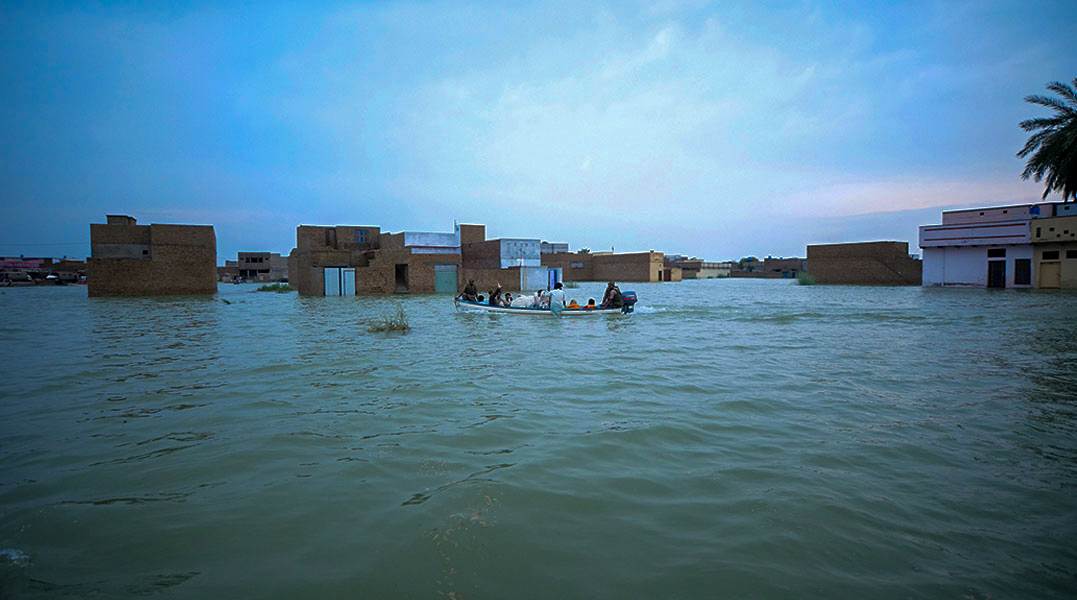
A flood is more than a natural disaster. When water overwhelms communities, it can quickly become a public-health emergency. Homes may be destroyed, clean-water supplies contaminated, sanitation systems disrupted, and healthcare facilities damaged. At the same time, people may be forced into crowded temporary shelters. Together, these conditions create an environment where infectious diseases can spread rapidly.
Pakistan's experience with major floods demonstrates this connection clearly. The devastating 2022 floods affected an estimated 33 million people and created major risks from diarrhoeal diseases, malaria, dengue, measles and other infections. The World Health Organization documented how displacement, stagnant water and disruption of health services intensified the threat.
Contaminated water: a major pathway for disease
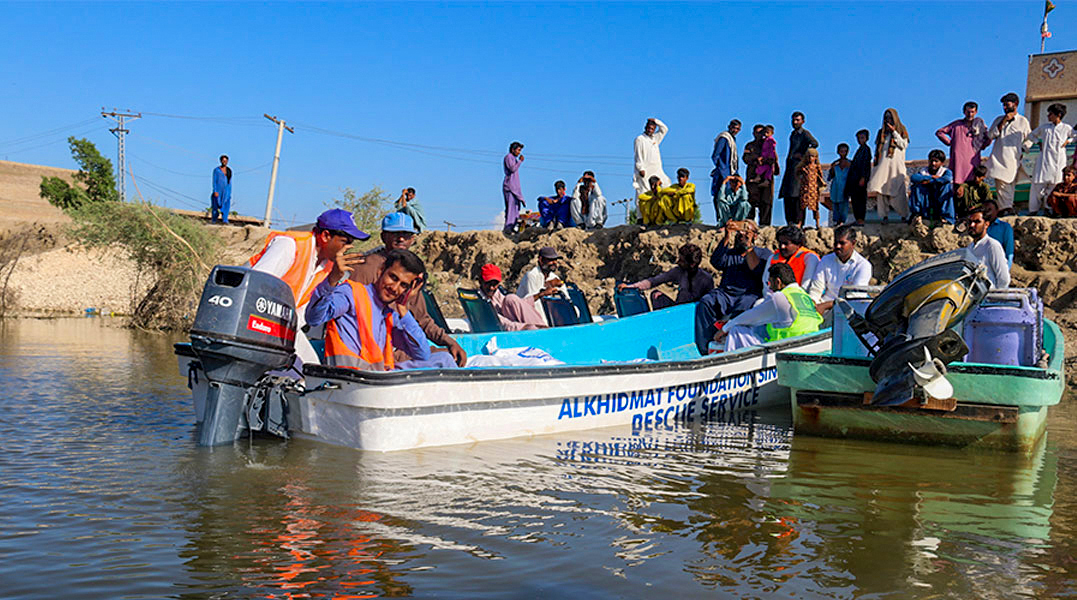
One of the most immediate health threats following flooding is contaminated water. Floodwater can mix with sewage, animal waste, chemicals and other pollutants. When this contamination reaches wells, drinking-water systems or food supplies, harmful microorganisms can enter the human body.
People who drink contaminated water or consume food prepared with unsafe water can develop illnesses such as acute diarrhoea, dysentery, cholera, typhoid and hepatitis A or E. The risk becomes even greater when communities lack adequate toilets, soap and clean water for handwashing.
During Pakistan's 2022 floods, acute watery diarrhoea was among the major health concerns reported in affected areas. This demonstrates an important lesson: preventing disease after a flood depends not only on treating patients but also on restoring safe water and sanitation as quickly as possible.
Stagnant water creates a mosquito breeding ground
Flooding can also create ideal conditions for mosquitoes. Although rapidly moving floodwater may destroy some breeding sites, water that remains trapped in ponds, containers, fields and damaged infrastructure can become an ideal environment for mosquito reproduction.
This increases the risk of mosquito-borne diseases, particularly malaria and dengue. Warm temperatures, stagnant water and weakened vector-control systems can allow mosquito populations to increase rapidly.
WHO reported that Pakistan's 2022 floods were followed by a major malaria surge. In the period January–August 2022, more than 3.4 million suspected malaria cases were reported, compared with 2.6 million during the whole of 2021. The outbreak was especially severe in flood-affected areas.
Floods disrupt healthcare services
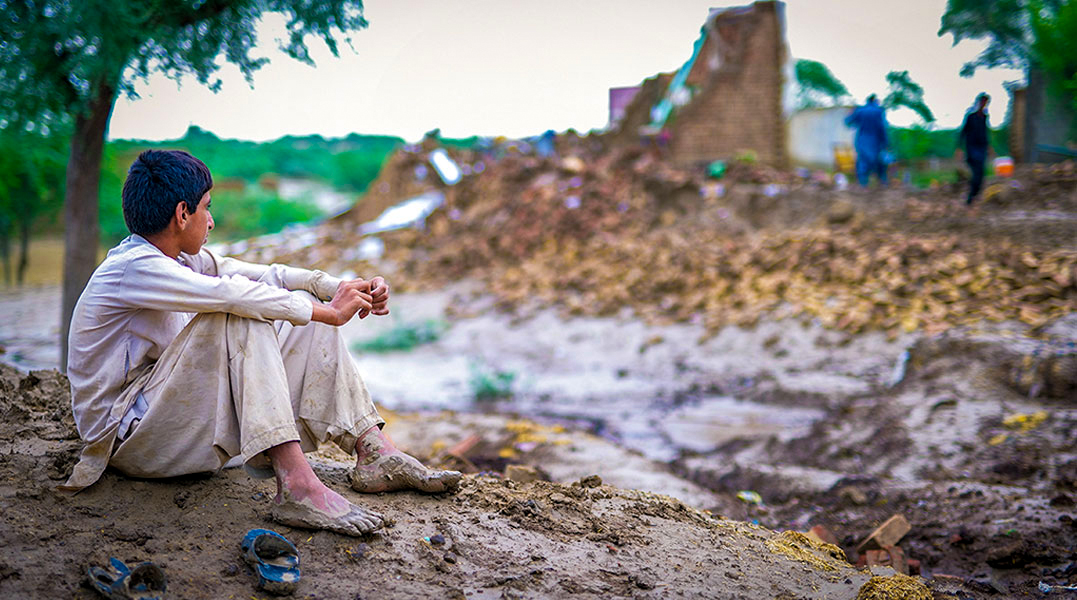
Another major reason diseases become more dangerous after floods is the disruption of healthcare itself. Roads can become inaccessible, hospitals and clinics may be damaged, electricity can be interrupted, and essential medicines may become difficult to obtain. Healthcare workers may also struggle to reach affected communities.
This creates a dangerous cycle: the need for healthcare increases while the ability to provide healthcare decreases.
The consequences are not limited to infectious diseases. People receiving treatment for chronic conditions may also lose access to medicines and follow-up care. Vaccination programmes and routine health services can be interrupted, leaving communities more vulnerable to preventable illnesses.
Crowded shelters increase transmission
Floods often force families to leave their homes and move into temporary shelters, schools, tents or other communal spaces. When many people live in close proximity, infectious diseases can spread more easily.
Respiratory infections can move rapidly through crowded shelters, while inadequate toilets, limited water and poor waste disposal can increase the transmission of gastrointestinal infections. Children, older adults and other vulnerable members of the community may face greater risks.
Prevention must begin before the next flood
Disease outbreaks following floods are not inevitable. Preparation can significantly reduce their impact. Communities need reliable access to safe drinking water, emergency sanitation facilities, hygiene supplies and appropriate waste disposal. In mosquito-prone areas, removing stagnant water, strengthening vector-control programmes and promoting appropriate mosquito protection can reduce transmission.
Strong disease-surveillance systems are equally important. Health authorities must be able to identify unusual increases in disease cases quickly and respond before outbreaks become widespread. Mobile medical teams, rapid diagnostic services, vaccination campaigns and adequate supplies of essential medicines can save lives.
Public awareness also plays a critical role. People should avoid drinking untreated floodwater, practise proper hand hygiene, protect themselves from mosquito bites and seek medical attention promptly when concerning symptoms develop.
Safe Water & Sanitation
Restore clean drinking water, emergency toilets, hygiene supplies and safe waste disposal as fast as possible.
Vector Control
Drain stagnant water, strengthen spraying programmes and promote mosquito protection in high-risk areas.
Disease Surveillance
Detect unusual case increases early with mobile teams, rapid diagnostics and steady medicine supplies.
Public Awareness
Encourage safe water use, hand hygiene, mosquito protection and prompt care when symptoms appear.
Health, environment and infrastructure are connected
Floods show how closely the environment, infrastructure and human health are connected. The health emergency does not necessarily end when the water disappears. Contaminated water, stagnant pools, overcrowding, damaged healthcare facilities and interrupted public-health programmes can continue creating risks long after the initial disaster.
Pakistan's experience highlights the importance of integrating health preparedness into disaster management. Investment in clean water, sanitation, disease surveillance, resilient healthcare facilities and community education is not simply a response to floods — it is an investment in preventing future health crises.
A flood may begin with water, but the scale of its health consequences depends largely on what happens afterward. By preparing communities before disasters occur, restoring essential services quickly and responding to disease threats early, we can reduce preventable illness and protect the most vulnerable.
World Health Organization. "Flooding in Pakistan: reaching displaced populations with malaria services in remote areas." 23 April 2023.
World Health Organization. "It was just the perfect storm for malaria — Pakistan responds to surge in cases following the 2022 floods." 18 April 2023.
World Health Organization. "Spraying campaign effectively controls malaria outbreak in Sohbatpur." 25 April 2024.
Scientific American / Nature. "Why Are Pakistan's Floods So Extreme This Year?" 6 September 2022.
A note on safety: after a flood, avoid drinking or wading through untreated floodwater where possible, wash hands with clean water and soap, and seek medical care promptly if fever, diarrhoea or other concerning symptoms appear.
It is a long established fact that a reader will be distracted by the readable content of a page when looking at its layout.
It is a long established fact that a reader will be distracted by the readable content of a page when looking at its layout.