
No, it is not obligatory (fard). It is a Sunnah (mustahabb), strongly recommended and immensely rewarded, but you are not sinful for missing it.
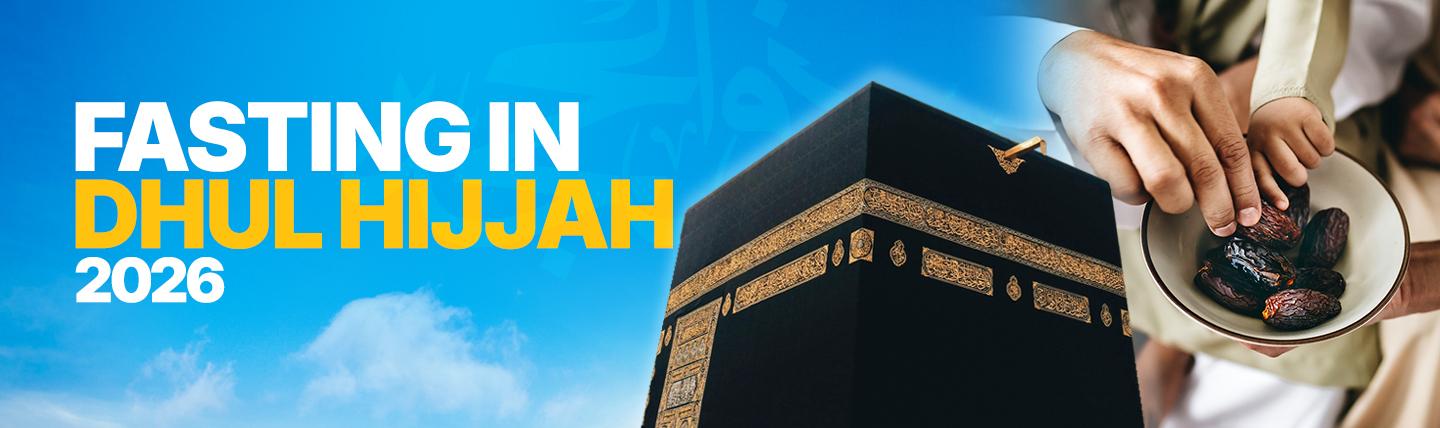
Why Dhul Hijjah Ten Days Stand Above the Rest
Every act of worship, prayer, charity, dhikr, and especially fasting, carries extraordinary weight during this sacred window. Whether you're preparing for Hajj or observing from afar, these ten days are an open invitation from your Lord.
The Prophet Muhammad ﷺ said: "There are no days in which righteous deeds are more beloved to Allah than these ten days." (Sahih al-Bukhari)
Dhul Hijjah Ten Days That Can Change Your Year
Beloved to Allah
No righteous deeds are dearer to Allah than those performed in the first ten days of Dhul Hijjah.
A Year of Sins Forgiven
Fasting the Day of Arafah expiates the sins of the previous year and the year to come.
The Spirit of Hajj at Home
Even if you're not on Hajj, fasting connects your heart to the millions standing at Arafah.
1st to 8th Dhul Hijjah: The Voluntary Fast Days
The first eight days of Dhul Hijjah are open for voluntary fasting. You may fast all eight, or as many as your health and circumstances allow. Each day carries its own reward, and fasting these days is among the most beloved deeds to Allah during this period. If you have never fasted outside of Ramadan before, let Dhul Hijjah 2026 be the year you begin
9th Dhul Hijjah: The Day of Arafah Fast
This is the crown jewel of Dhul Hijjah fasting and arguably the single most rewarded voluntary fast in all of Islam. On this day, pilgrims stand on the plains of Arafah near Makkah in one of the most breathtaking scenes of human devotion the world has ever witnessed. For those not performing Hajj, fasting is the greatest act of connection to this moment.
The Prophet ﷺ said:
"Fasting on the Day of Arafah, I hope from Allah, expiates the sins of the year before it and the year after it." (Sahih Muslim)
Two full years of sins past and future forgiven through a single day of fasting. There is no other fast in the Islamic calendar that carries this specific, explicit promise. If you fast on no other day this Dhul Hijjah, do not miss the 9th.
10th Dhul Hijjah: Eid ul-Adha, No Fasting
Fasting on the 10th of Dhul Hijjah the day of Eid ul-Adha is strictly prohibited in Islam. It is a day of celebration, gratitude, Qurbani, and communal feasting. The Prophet ﷺ forbade fasting on both Eid days. On this day, eat, celebrate, perform your Qurbani, and give generously to those who have nothing to celebrate with.
Frequently Asked Questions (FAQ)
Is fasting during the first 10 days of Dhul Hijjah obligatory?
Why can't I fast on the 10th of Dhul Hijjah?
The Prophet ﷺ explicitly forbade fasting on Eid al-Adha (10th Dhul Hijjah) and the three days that follow (the days of Tashreeq, 11th–13th), as these are days of celebration, eating, and the sacrifice.
Should pilgrims performing Hajj fast on the Day of Arafah?
No. Pilgrims at Arafah should not fast on this day. The Prophet ﷺ himself did not fast at Arafah during his Hajj, so that he would have strength for du'a and worship. The fast of Arafah is specifically for those not performing Hajj.
When should I make the intention (niyyah)?
For voluntary fasts, the intention can be made any time before midday (zawal), as long as you have not eaten, drunk, or done anything that breaks the fast since dawn. Making the niyyah the night before is preferable.
How do I follow the Sunnah of takbir during Dhul Hijjah?
The recommended takbir is: Allahu Akbar, Allahu Akbar, La ilaha illallah, wallahu Akbar, Allahu Akbar wa lillahil-hamd. It is said openly from the 1st of Dhul Hijjah and continues through the days of Tashreeq (until sunset on the 13th). Men are encouraged to say it audibly; women, more softly.
Can children fast during Dhul Hijjah?
Children are not obligated to fast, but those who are old enough and able can be gently encouraged to try perhaps starting with half-days or just the Day of Arafah. The goal is to build love for worship, not hardship.
I missed the first few days. Is it too late to start?
Not at all. Begin where you are. Even fasting the last few days, especially the Day of Arafah, carries enormous reward. Allah looks at sincerity, not perfect attendance.
How many days should I fast?
The Sunnah is to fast the first nine days, from 1st to 9th Dhul Hijjah. The 10th day (Eid al-Adha) is not to be fasted. You can fast all nine, some of them, or just the Day of Arafah, every day brings reward.
What is the reward for fasting the Day of Arafah?
The Prophet ﷺ said it expiates the sins of the previous year and the year to come (Sahih Muslim). It is regarded as the most virtuous voluntary fast in the entire Islamic year.
Can I combine my Dhul Hijjah fasts with missed Ramadan fasts (qada)?
Scholars differ. Some allow combining a missed Ramadan fast with a Sunnah Dhul Hijjah fast with the right intention; others recommend keeping them separate. The Day of Arafah, given its specific reward, is best kept as its own dedicated intention. Consult a qualified scholar for your situation.
What if I'm travelling, ill, or breastfeeding?
You are not required to fast voluntary fasts if it brings hardship. Allah does not burden anyone beyond their capacity. Focus on what you can do dhikr, du'a, charity, kindness, and intend to fast in future years when able.
What should I eat for suhoor and iftar during these days?
The Sunnah is moderation. For suhoor, dates and water are blessed; add slow-release foods like oats, eggs, or wholegrain bread for sustained energy. Break your fast with dates and water as the Prophet ﷺ did, then eat a balanced meal without overindulging.
Is there a specific du'a to recite on the Day of Arafah?
The Prophet ﷺ said the best du'a is that of the Day of Arafah, and the best thing he and the Prophets before him said was: La ilaha illallahu wahdahu la sharika lah, lahul-mulku wa lahul-hamd, wa huwa 'ala kulli shay'in qadeer. ("There is no god but Allah alone, with no partner. To Him belongs the dominion and to Him belongs all praise, and He has power over everything.") Spend the day in sincere personal du'a for yourself, your family, the ummah, and the world.