
Rabi-ul-Awal is the third month in the Islamic lunar calendar, known for its spiritual significance, especially the birth of Prophet Muhammad (PBUH).
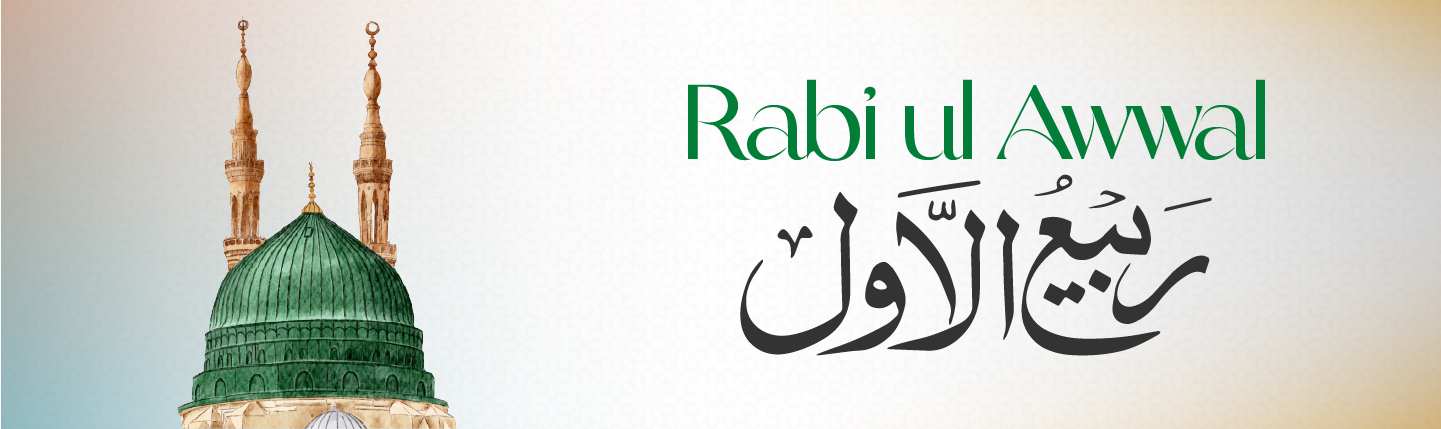
Rabi ul Awal, the third month of the Islamic calendar, holds a special place in Muslim history because of its connection with some of the most significant moments in the life of Prophet Muhammad ﷺ. It was during Rabi ul Awal that the world welcomed the final Messenger of Allah ﷺ.
The month is also associated with the Prophet’s ﷺ Hijrah to Madinah, a defining moment that marked the beginning of a new chapter for the Muslim Ummah. His passing also occurred during this month, making Rabi ul Awal a time that carries memories of his life, mission and lasting legacy.
Allah Almighty describes Prophet Muhammad ﷺ:
“We have sent you ˹O Prophet˺ only as a mercy for the whole world.”
Surah Al-Anbiya, 21:107
The significance of Rabi ul Awal in Islam therefore goes beyond remembering historical events. It gives Muslims an opportunity to reflect on the mercy, character and mission of the Messenger of Allah ﷺ and ask how those values are reflected in our own lives.
His life was defined by compassion towards the vulnerable, kindness towards children, concern for the poor, care for orphans, justice, forgiveness and service to humanity.
Rabi ul Awal is a meaningful time to reconnect with the Seerah of Prophet Muhammad ﷺ and rediscover the values that shaped his life.
Allah says:
“Indeed, in the Messenger of Allah you have an excellent example.”
Surah Al-Ahzab, 33:21
Studying his Seerah reminds us that love for the Prophet ﷺ should influence how we treat our families, neighbours and communities, particularly those facing hardship.
Remembering Prophet Muhammad ﷺ in Rabi ul Awal becomes more meaningful when remembrance inspires action.
His ﷺ example encourages us to become more compassionate, generous and beneficial to others. It calls us to care for people in difficulty, create opportunities for those left behind and contribute towards a society where people can live with dignity.
This Rabi ul Awal, let our reflection on the life of Prophet Muhammad ﷺ inspire us to carry his values beyond this blessed month and make them part of the way we live, give and serve humanity.
The Prophet Muhammad’s (PBUH) life reflected the teachings of the Quran. He embodied kindness, forgiveness, justice, humility, generosity, and honesty, earning him the title of Al-Amin (The Trustworthy) even before his prophethood.
“And indeed, you are of a great moral character.” — Surah Al-Qalam (68:4)
The sayings and actions of the Prophet, known as the Hadith, offer practical guidance for everyday life:
“And We have not sent you, [O Muhammad], except as a mercy to the worlds.” — Surah Al-Anbiya (21:107)
Commemorating Rabi' al-Awwal is not limited to a single day but is a month-long opportunity to strengthen our faith and connection to the Prophet (PBUH):
“Indeed, Allah and His angels send blessings upon the Prophet. O you who have believed, ask [Allah to confer] blessing upon him and ask [Allah to grant him] peace.” — Surah Al-Ahzab (33:56)
Rabi-ul-Awal is the third month in the Islamic lunar calendar, known for its spiritual significance, especially the birth of Prophet Muhammad (PBUH).
Many Muslims observe the 12th of Rabi-ul-Awal as the birth anniversary of Prophet Muhammad (PBUH), also known as Mawlid al-Nabi.
Fasting is not specifically prescribed in this month, but voluntary fasting is always encouraged in Islam as an act of devotion.
While there is no specific dua for this month, Muslims are encouraged to make general supplications and send abundant blessings (Salawat) upon the Prophet (PBUH).
The celebration of Mawlid varies among different communities. Some observe it with gatherings, lectures, and charity, while others focus solely on following the Prophet’s teachings throughout the year.
Since the Islamic calendar is lunar-based, the dates of Rabi-ul-Awal change every year based on the sighting of the moon.
Muslims commemorate this month through prayers, reciting the Qur'an, sending salutations upon the Prophet (PBUH), charitable acts, and learning about his life and character.
It serves as a reminder to follow the Prophet’s teachings, strengthen faith, and practice gratitude, kindness, and compassion.
The Prophet (PBUH) also migrated (Hijrah) from Makkah to Madinah in Rabi-ul-Awal, marking a key moment in Islamic history.
Through storytelling about the Prophet’s life, engaging in creative activities like making cards with hadiths, and involving them in acts of kindness and charity.