
Any adult Muslim who owns the asset and donates it willingly for the benefit of the community can make a Waqf.
Waqf Donations
What is Waqf
Waqf is a sustainable, ongoing charitable endowment (such as Sadaqah Jariyah). In other words, it is widely used throughout Islamic history to develop and support communities.
In Arabic,Waqf or the plural ‘Awqaf’ means‘restriction’because it acknowledges that all properties belong to God.A donation cannot ever be owned by any person. Instead, its possession is transferred to God. However, the benefits are reaped by man. The original donor no longer owns the endowment.
Conditions for Waqf
Conditions on Donor
A person must fulfil the following criteria in order to be eligible to make a waqf donation:
- Be an adult by law
- Be aware of what he/she is doing and be of sound mind to do so
- Own the property/money Be free of debt
- Offer the Waqf un-coerced and as a voluntary donation.
Conditions on Donations
The asset/money itself must meet certain conditions in order to be acceptable waqf:
- Waqf assets should be Islamically lawful (halal).
- Waqf assets should be clearly defined and tangible
- The Waqf donation must be unconditional and with no strings attached
- The waqf must be explicitly donated and ideally documented in order to avoid any disputes with the donor’s heirs.
- Waqf should be devoted for good ends only; the result of the waqf cannot harm people
Examples of Waqf
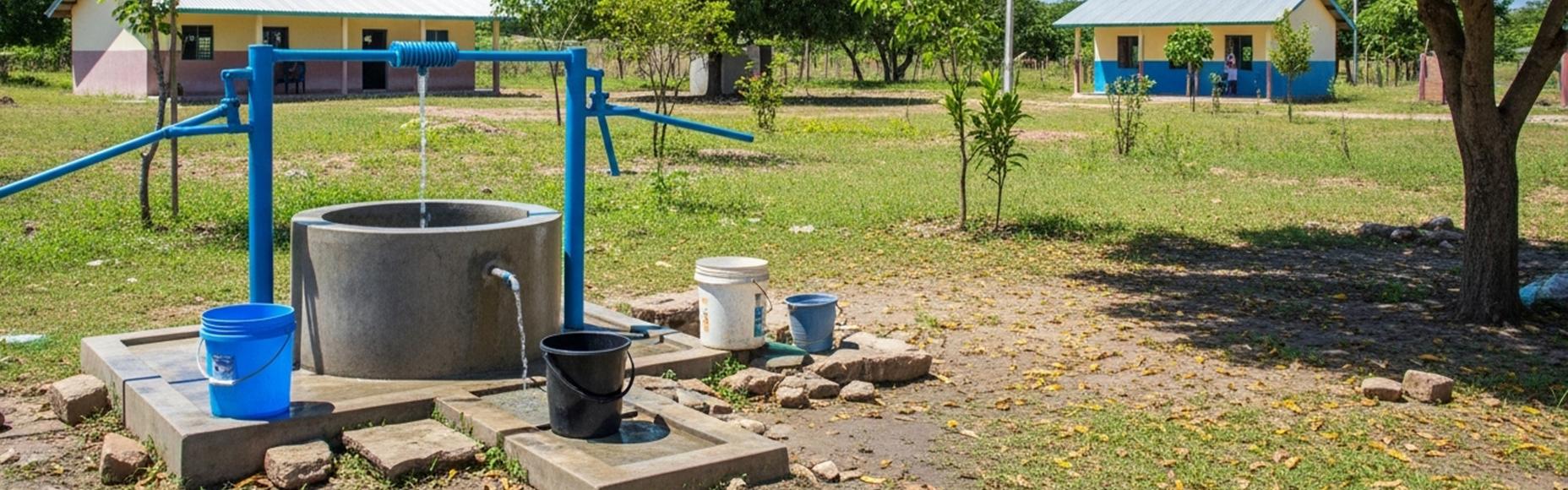
Romah Well
The concept of Waqf was first encouraged by the Prophet Muhammad (PBUH) as evidenced by the example of Othman ibn Affan (RA) who bought the “Romah Well.” According to Sahih Al Bokhary, the Prophet (PBUH) asked who would buy the well and make it available to everyone, to which Othman (RA) responded by purchasing the well and ensuring its public availability. This highlights the importance of public services being available to all in Islam.
Land in Khaibar
Another example of importance of waqf in islam can be found in the story of Umar (RA) who asked the Prophet (PBUH) what to do with a valuable piece of land he had acquired in Khaibar. The Prophet (PBUH) advised Umar to give the benefit of the land to charity while preserving it, so that it could not be bought, sold, given away, or inherited. Following this advice, Umar declared the land as a Waqf for the benefit of the community, thereby setting a precedent for the endowment of assets for the betterment of society. (Sahih Muslim)
We ensure to invest your donation in safe, Shariah-compliant investments. Your contribution towards a Waqf Share is not only an act of charity, but it also provides an ongoing opportunity for you to give and make a difference in the lives of others as the returns from your donation continue to be invested, bringing relief to people year on year. You can even choose to gift a Waqf Share on behalf of someone else, making it a thoughtful and meaningful gift.
Ways to donate Waqf
-
Waqf Property Contribution
Donate land, a building, or a portion of property to be used for mosques, schools, clinics, or community centers.
-
Water Projects
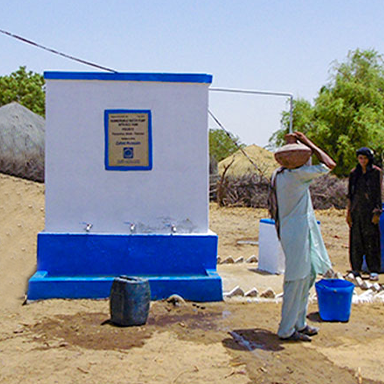
Fund water wells, filtration plants, or hand pumps where the community benefits continuously.
-
Education Waqf
Donate towards schools, classrooms, libraries, or student sponsorships where funds are invested for ongoing education support.
-
Healthcare Waqf
Support clinics, hospitals, medical equipment, or free treatment programs as a continuous charity.
-
Cash Waqf
Donate money that the organization invests or allocates to sustainable projects, with returns used for welfare programs.
-
Mosque & Religious Infrastructure
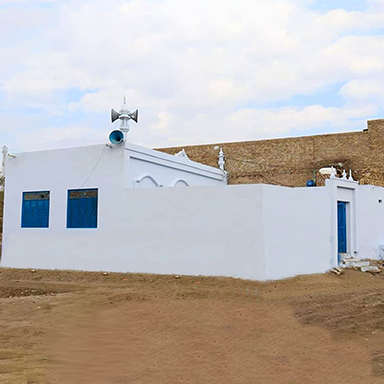
Support construction, maintenance, or utilities of mosques and Islamic centers.
Questions regarding Waqf
Who can make a Waqf donation?
Can Waqf benefits be limited to a specific cause?
Yes, the donor can specify how and where the benefits of the Waqf should be used.
Is a Waqf donation reversible?
No, once a Waqf is made, it becomes permanent and cannot be taken back.