
Yes, Lillah can be given to anyone in need regardless of religion.
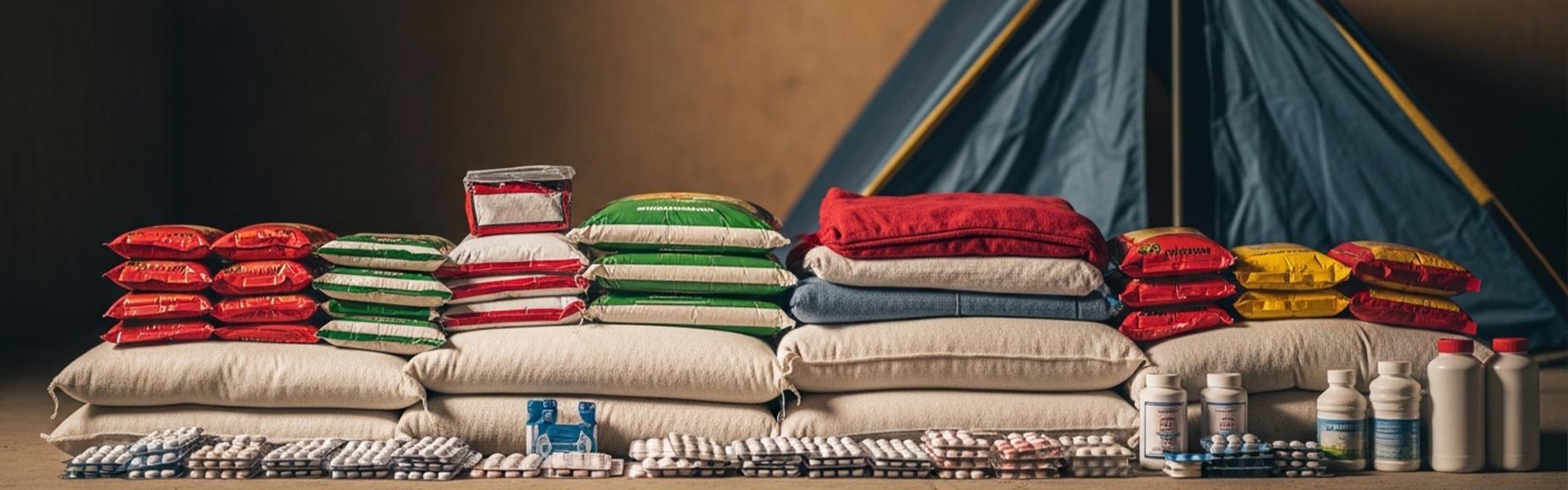
Lillah Donations
What is Lillah?
Lillah (or "For Allah") in Islam refers to voluntary charity given purely for God's pleasure, without expecting worldly return, often directed towards institutions like mosques, schools, or welfare projects, unlike mandatory Zakat, and typically focused on communal benefit rather than direct individual handouts. It's a selfless donation for Islamic or charitable causes, emphasizing sincere intention and pleasing Allah.
What is the difference between Zakat and Lillah?
Zakat is an obligatory charity due from every Muslim on a yearly basis. However, Lillah is an entirely voluntary charity given at any time of year purely with the intent to please Allah SWT, any amount can be given. Unlike Zakat, which has a number of stipulations regarding the type of assistance it can provide, Lillah can be used for any project or programme which is of benefit to people and/or Islamic institutions.
What can Lillah money be used for?
Akfp uses your Lillah donations for a range of projects, such as:
- The construction, renovation and running of schools.
- The construction, renovation and running of healthcare centres, including maternity and paediatric healthcare centres.
- Providing clean water sources, such as boreholes.
The Prophet Muhammad and his family and companions were the most generous of people, often giving away any possessions they had for the sake of Allah.
By giving with the intention of pleasing Allah alone and to benefit His people, Muslims have the opportunity to purify themselves and become closer to Allah. This is because giving charity with sincerity is one of the most beloved deeds to Allah. Lillah donations can also benefit large groups of people, and even whole communities. For example, when donations are used to fund the construction of a mosque or Islamic centre in which Allah is remembered, as well as gaining vast rewards, everyone who attends the centre benefits from this donation.
There are people worldwide who have no place to call home and struggle to find clean drinking water and nutritious food. Meanwhile, there are millions more who are living in places recovering from natural disasters and the impact of wars. Essentially, these people suffer from hardship daily, and catastrophes wreak havoc on their livelihoods. While one-time donations are greatly appreciated, these may only shelter, hydrate, or feed someone for a day. An act of Sadaqah Jariyah, though, can relieve this hardship and eliminate the impact of these catastrophes for good.
Some examples of Sadaqah Jariyah in relation to this include building a home, building a water well, planting a resourceful tree, and sponsorship programmes. Even in times of hardship, Muslims are encouraged to give Sadaqah Jariyah. This shows strong faith and gratitude to Allah (SWT), trusting that he will change situations for the better.
In fact, the Prophet Muhammad (PBUH) said,
“Give the Sadaqah without delay, for it stands in the way of calamity.”
Lillah-FAQs
Can Lillah be given to non-Muslims?
Can Lillah be used for administrative or project costs?
Yes, Lillah can be used for general welfare, including necessary operational costs of charitable projects.
Can Lillah be given on behalf of someone else?
Yes, Lillah can be donated on behalf of another person, including deceased family members.
Is there a minimum or maximum amount for Lillah?
No, there is no fixed amount; any amount given sincerely is acceptable.